What a Professional Carpet Mold Inspection Actually Involves
Understanding the Need for a Thorough Inspection
Mold in carpeting is often hidden, growing beneath the surface where moisture has collected. A professional carpet mold inspection goes far beyond a simple visual check. It is a systematic process designed to identify the full extent of the problem, locate the source of moisture, and determine the safest path forward. For anyone noticing a musty smell, discoloration, or unexplained allergies, knowing what this inspection entails can help you prepare and understand the results.
The goal is not just to find mold but to understand the conditions that allowed it to thrive. This guides every decision that follows, from cleaning to removal to prevention. The professionals at Carpet Mold Removal Services Pros follow a careful sequence of steps that balances thoroughness with practical judgment.
Step One: Initial Assessment and History
The process begins long before any equipment is unpacked. The inspector will ask about the history of the space. Has there been a recent leak, flood, or plumbing issue? How old is the carpet? Do occupants have respiratory issues? This background information helps the inspector focus their attention on the most likely trouble spots. It also sets expectations for what might be found.
A good professional will also look at the building's ventilation, humidity levels, and the general condition of the flooring. They note any visible water stains, peeling paint, or condensation on windows. These clues often point to a moisture problem that has been running longer than suspected.
Step Two: Visual Inspection and Moisture Mapping
Next comes a careful visual scan of every inch of the carpeted area. The inspector looks for patches of discoloration, buckling, or a soft, spongy feel underfoot. But visible mold is only part of the story. The real detective work involves finding moisture that is not yet causing visible growth.
Using a moisture meter, the inspector takes readings across the carpet and the padding beneath. They map out areas of elevated moisture, marking them on a floor plan. This "moisture map" is crucial because it shows the boundaries of the affected zone. Mold can spread invisibly through the carpet backing and into the subfloor. Knowing exactly how far the moisture extends helps determine whether spot treatment is possible or if larger removal is needed.
Step Three: Air Sampling and Surface Testing
To confirm what kind of mold is present and at what concentration, the inspector will take samples. Two common methods are used:
- Air sampling: A calibrated pump pulls a known volume of air through a spore trap. This captures airborne mold spores, which are later analyzed in a lab. The results show the types of mold spores floating in the room and their relative levels.
- Surface sampling: A sterile swab or tape lift collects material from the carpet fibers or backing. This identifies the specific species growing on the surface. It is especially useful if the visual inspection found a suspicious patch.
The samples are sent to an accredited laboratory. Results typically come back in a few days and provide a definitive answer about the mold species. Some molds, like Stachybotrys (black mold), require more aggressive remediation than others. The lab report is the basis for the remediation plan.
Step Four: Inspecting the Padding and Subfloor
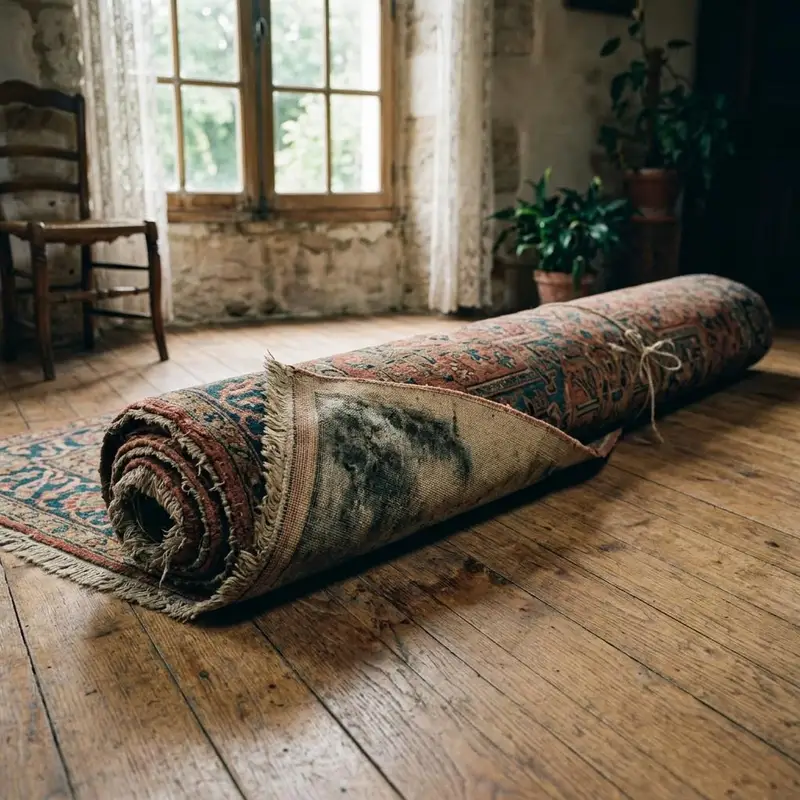
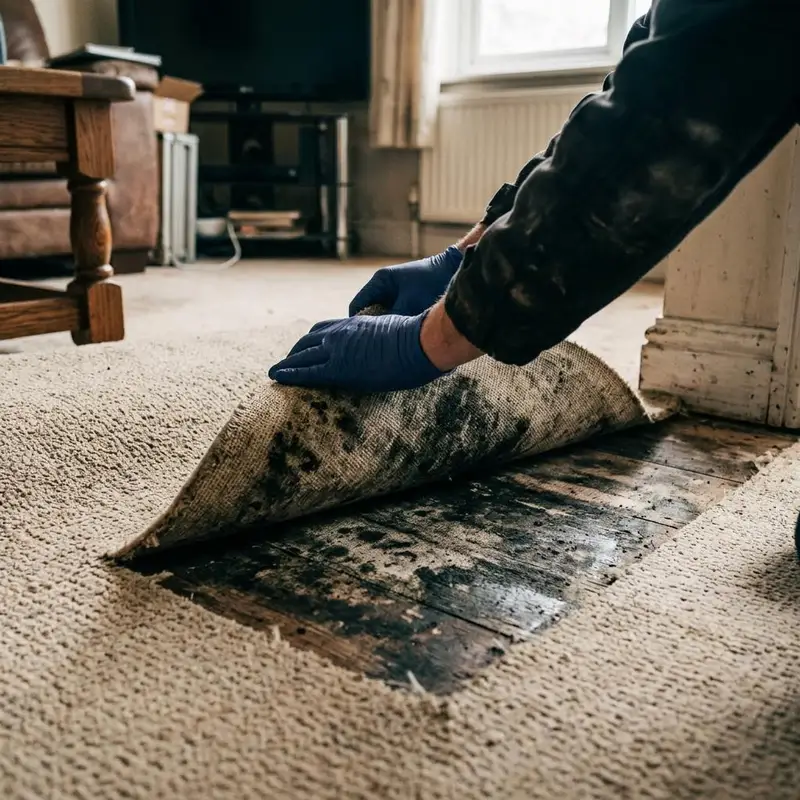
Carpet padding acts like a sponge. If moisture has soaked through the carpet, the padding is almost certainly contaminated. The inspector will lift a corner of the carpet in several places to check the condition of the padding. They look for visible mold growth, a musty odor, or dampness.
If the padding is wet or moldy, it must be removed. But the subfloor beneath it also needs inspection. A moisture meter designed for concrete or wood subfloors is used to check for trapped moisture. In basements or slab-on-grade construction, moisture can wick up through the concrete and saturate the carpet from below. The inspector will check the subfloor's condition and look for signs of rot or efflorescence (white, powdery mineral deposits) on concrete surfaces.
This step often determines the difference between a simple cleaning and a full removal and restoration project. If the subfloor is dry, the carpet may be salvageable with proper treatment. If the subfloor is wet, the carpet and padding must come out, and the subfloor itself may need drying and sealing.
Step Five: Assessing Indoor Air Quality
Mold affects more than just the carpet. It releases spores and microbial volatile organic compounds (MVOCs) into the air. These can cause headaches, respiratory irritation, and allergic reactions. During the inspection, the professional measures the indoor air quality using specialized equipment.
They compare the indoor spore count against an outdoor air sample taken on the same day. If the indoor count is significantly higher and the species match what was found on the carpet, the source of the problem is confirmed. This air quality assessment is important for deciding whether remediation is urgent and for documenting the condition before work begins.
Step Six: The Written Report and Recommendations
After all the data is collected and the lab results return, the inspector compiles a detailed report. This document includes the moisture map, the lab analysis, the air quality comparison, and a clear statement of the findings. It will explain the cause of the moisture (if identifiable), the extent of the contamination, and the recommended course of action.
The recommendations might range from professional cleaning and drying for minor, localized mold to complete carpet and padding removal for widespread contamination. The report will also note any underlying issues, such as a leaking pipe, poor ventilation, or high humidity, that need to be corrected to prevent recurrence. This is where the expertise of a company like Carpet Mold Removal Services Pros becomes valuable, as they can translate the technical findings into a practical, step-by-step plan.
For homeowners and property managers, this report serves as a roadmap. It tells you what needs to happen, why, and in what order. It also provides documentation that may be needed for insurance claims or for legal purposes if the mold is part of a larger habitability issue.
What to Look for in a Professional Inspection
Not all inspections are equal. A thorough carpet mold inspection should feel methodical and transparent. The inspector should explain each step and what they are looking for. They should use calibrated equipment and send samples to a reputable lab. A verbal opinion is not enough; you want a written report with data you can act on.
Ask about their process beforehand. Do they use moisture meters? Do they take air samples as well as surface samples? How long will the inspection take? A typical inspection of a single room may take an hour or more, while a whole-home inspection could take several hours. If it seems too fast, they may be skipping important steps.
Also, be wary of inspectors who immediately recommend expensive removal without showing you the evidence. A good inspector will present the facts and let you decide. They will also discuss prevention strategies, such as improving ventilation, using dehumidifiers, or fixing leaks. The best outcome is an inspection that helps you solve the problem at its root, not just treat the symptoms.
The value of a professional inspection goes beyond finding mold. It gives you peace of mind and a clear path forward. With the right information, you can make informed decisions about your home's health and safety. For detailed guidance on what to do next, many homeowners consult resources like carpetmoldremovalservices.com to understand their options and connect with qualified professionals.
In the end, a professional carpet mold inspection is a careful, evidence-based process. It combines old-fashioned observation with modern testing to reveal the full picture. Whether the result is a simple cleaning or a full restoration, the inspection ensures that the work is done correctly and that the mold problem does not return. It is the first and most important step in protecting your home and your health from the hidden dangers of mold.